


How to Choose the Right Smart Home Features for Homes in Australia
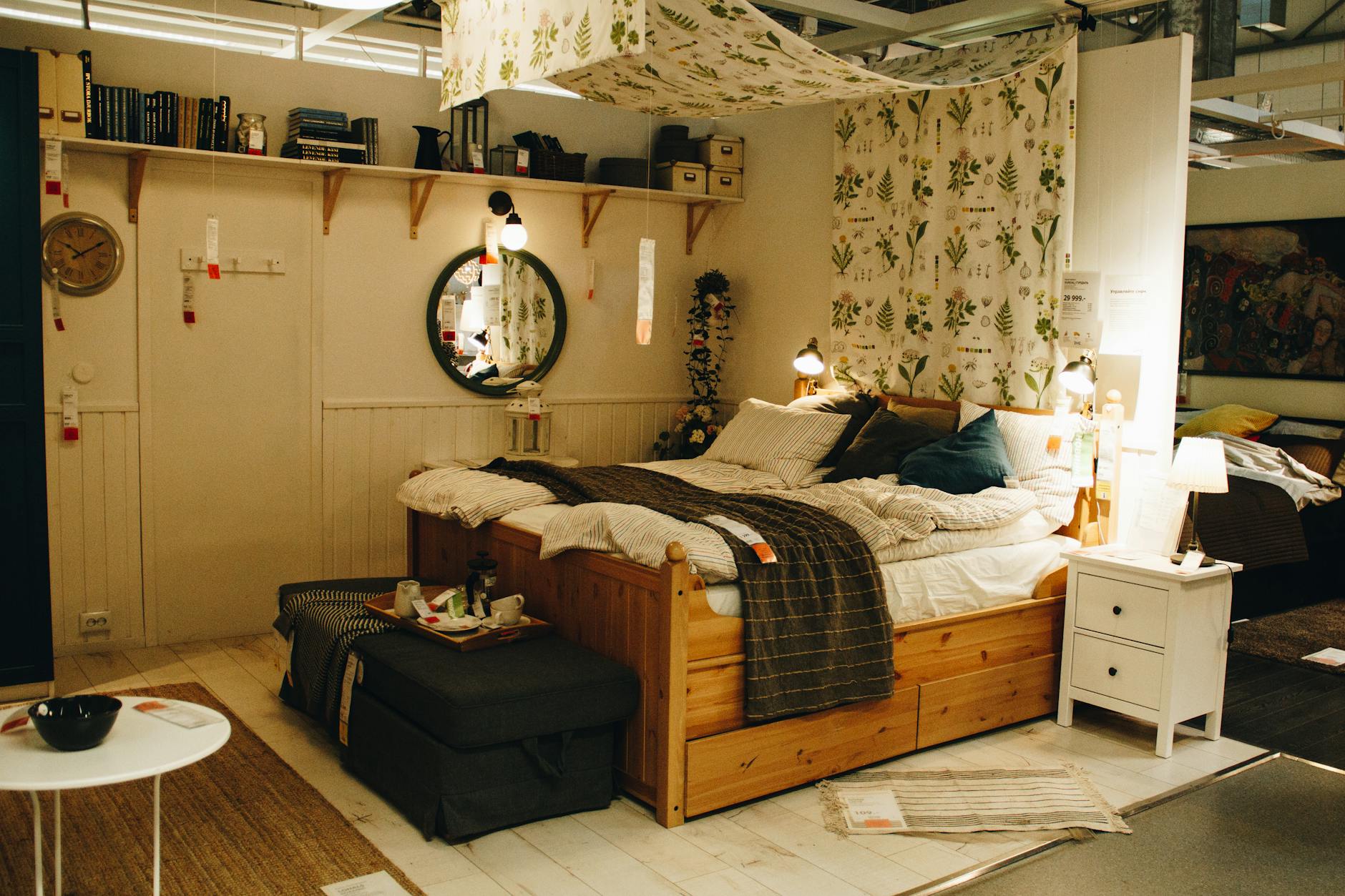
Key Smart Home Features
Bringing smart home technology into the property scene is like introducing a breath of fresh innovation. As a smart home technology specialist based in Melbourne, I have the pleasure of sharing key features that could elevate your property offerings. Whether you are exploring a house and land package Wallan or scoping out a house for sale in Thornhill Park, integrating technology is a core factor that can significantly enhance a property's appeal. This transformation begins with understanding energy efficiency options—a key smart home feature that focuses on reducing energy consumption through automated lighting and climate control systems. You’ll find such advancements drawing inspiration from tech hubs like the South Melbourne Market, where efficiency and sustainability are paramount.
Next, security enhancements are vital. Employing smart locks, cameras, and alarm systems not only augment property security but also provide peace of mind. Imagine properties like houses for sale Eynesbury equipped with integrated security systems that tenants can control from anywhere via their smartphones.
Lastly, don't overlook convenience solutions including smart appliances and voice-activated home systems. These features cater to modern lifestyles and offer effortless control over home environments. Whether managing multiple devices at once or setting the perfect scene for a relaxing evening, convenience is key. Embrace these smart solutions to inspire technological advancements in properties, redefining the way we perceive residential living.
Assessing Property Needs
When considering the integration of smart technologies into a property, it's essential to gauge how the enhancements align with tenant preferences. Knowing what appeals to your tenants can substantially boost satisfaction and retention. Many tenants today are interested in energy-efficient solutions and systems that enhance security, offering peace of mind for families and individuals alike. The demand for smart home features often mirrors the convenience and modern aesthetics seen in luxury display homes Melbourne, providing property managers with a model to aspire to.
Understanding Tenant Preferences
To effectively assess tenant preferences, engage in regular communication with your residents to gather insights. Surveys can be a valuable tool in collecting data about which technologies are most desired. Pay attention to features that align with the lifestyle trends visible in areas renowned for tech innovation, like Melbourne's Docklands, where cutting-edge solutions are often priority.
Evaluating Home Infrastructure
Before integrating any smart home technologies, it's vital to evaluate the existing infrastructure of your properties. Consider factors like the strength of Wi-Fi networks and electrical systems to ensure compatibility. Properties that may have older wiring may need upgrades to support advanced systems, reminiscent of the thoughtful planning evident in display homes Newport.
Prioritizing by Property Type
Different property types may necessitate varying levels of smart technology integration. Apartments, for example, may benefit more from enhanced security systems, while freestanding homes can leverage sophisticated energy management solutions. By examining local market offerings like homes for sale Kilmore, you can glean insights into current trends and see which enhancements are being prioritised in similar developments. This way, you'll align your upgrades with market demands efficiently.
Integrating Technology
Seamless System Compatibility
As a technology enthusiast in real estate, ensuring seamless system compatibility in smart homes is crucial. It's particularly important in areas with a tech-forward mindset, such as Melbourne's innovation-centric Docklands. Here, the emphasis is on blending various smart home systems without a hitch. When working on property construction Melbourne projects, it’s essential to choose devices that are designed to communicate effortlessly with each other. This not only enhances efficiency but also reduces technical complications for both property managers and tenants.
Easy-to-Use Interfaces
Smart home technologies should be intuitive and user-friendly, enabling tenants of all ages to operate devices with ease. For instance, touch panels or mobile apps providing control over lighting, climate, and security make a property more appealing. This is a point of focus for anyone looking at houses for sale Melton West, as seamless technology integration can significantly boost property value and tenant satisfaction.
Future-Proof Upgradability
Future-proofing your smart home technology ensures the systems remain useful and relevant as new advancements emerge. Prioritize solutions that offer software updates and compatibility with emerging technologies to prevent obsolescence. Property managers should be proactive in selecting solutions that can accommodate future upgrades, ensuring ongoing tenant satisfaction and sustained property appeal.
Technologically robust smart homes are not merely a trend but a necessity, especially in the competitive property landscape. The goal is to inspire both property managers and tenants to embrace these innovations wholeheartedly, making them feel more at home in their technologically advanced living spaces.
Implementing Features Effectively
Tenant Engagement Strategies
Engaging tenants with your smart home upgrades involves a thoughtful approach to communication and presentation. Start by offering detailed demonstrations to highlight how features can enhance houses for sale Taylors Hill. Practical sessions could involve showcasing how a simple command can adjust lighting, climate, or security settings, thereby increasing tenant appreciation. Create opportunities for tenants to provide feedback; this could be through surveys or informal meetings. Such engagement not only fosters tenant satisfaction but can also improve retention rates by aligning the upgrades with tenant needs.
Navigating Local Regulations
Understanding and complying with local regulations is crucial when implementing smart home technology. Each council may have specific guidelines regarding energy efficiency or electrical installations, which must be adhered to. Thoroughly researching these regulations ensures that installations meet legal standards, preventing future complications. Explore the compliance requirements tied to Melbourne's innovation-centric Docklands, where embracing smart technology aligns with modern architectural advances. Staying informed about these regulations safeguards both property integrity and tenant safety.
Professional Installation Tips
For seamless integration, consider hiring certified professionals to install advanced features in your property. This not only ensures safety but also boosts system efficiency. Look for experts familiar with the intricacies of smart devices and their compatibility with existing infrastructure. There are many professionals specialising in smart home solutions that can provide tailored advice suited for properties like Williamstown houses for sale. They will install systems proficiently, leaving you assured of their reliability and ease of use. This expert touch is vital for showcasing smart solutions effectively.
Avoiding Smart Home Pitfalls
Overlooking Tenant Needs
When integrating smart home technology in Melbourne's competitive property market, neglecting tenant needs is a common misstep. Tenants in tech-savvy areas like the Docklands or those frequenting the South Melbourne Market demand seamless, intuitive experiences that fit their lifestyle. It's crucial to involve tenants in the planning phase, understanding their preferences, and offering upgrades like smart thermostats and lighting control systems. A tenant-centric approach can enhance satisfaction and lease renewals.
Ignoring Maintenance Requirements
Smart devices require upkeep—overlooking this can spell trouble. Regular updates and inspections ensure optimal performance and extend the gadget's lifespan, much like the meticulous care given to the lush landscapes of the Royal Botanic Gardens. Setting up a periodic maintenance schedule is wise, ensuring that professionals assess everything from door locking system updates to network connectivity. For example, routine battery checks for security cameras can prevent inconvenient power failures.
Skipping Professional Advice
Engaging with professionals who understand the intricacies of smart home systems is essential. As you work on incorporating smart solutions into properties, having expert insight prevents costly errors. Professional installers can align systems to local infrastructure needs, enabling flawless interoperability. This is akin to how Melbourne's tech-focused property developers plan for sustainable growth. By leveraging professional insight, you can avoid pitfalls and deliver smart homes that genuinely elevate the tenant experience.